Uzbekistan
country profile
May 2026
Uzbekistan is a strategically important and fast-growing source market for Azerbaijan. In 2025, Uzbekistan remained among the top CIS countries traveling to Azerbaijan, driven by strong cultural, linguistic, and historical ties, as well as increasing regional connectivity. Uzbek tourists are particularly attracted to Azerbaijan due to the shared Turkic heritage and Islamic culture, which create a strong sense of familiarity and connection. At the same time, the combination of modern urban experiences in Baku with opportunities to explore nature and regional destinations adds to the country’s appeal. Shopping, gastronomy, and short city breaks are also key motivators for travel. The growth of this market is supported by expanding air connectivity through direct flights, increasing middle-class income, and a rising interest in international travel beyond traditional destinations.
Uzbek tourists are predominantly aged between 25 and 44 and largely come from urban centres such as Tashkent, Samarkand, and Bukhara. By 2025, this segment represents a growing middle- and upper-middle-income population with increasing purchasing power and a stronger inclination toward international travel. Outbound tourism trends indicate a clear shift from purely budget travel toward more experience-based trips, alongside a rise in family and group travel. At the same time, there is a growing demand for higher-quality accommodation and well-organized tour packages.
• City breaks and shopping tourism: One of the most popular travel formats among Uzbek tourists, especially for destinations like Baku. Short trips focused on shopping, dining, and modern urban experiences are highly demanded, particularly among travellers from Tashkent and other major cities.
• Cultural tourism: A key segment driven by strong interest in history, architecture, and museums. Uzbek travellers are especially drawn to destinations with cultural similarities and rich heritage, making historical landmarks and traditional experiences an essential part of their trips.
• Gastronomy tourism: Food is an important factor in travel decisions. Uzbek tourists actively seek authentic culinary experiences, including local cuisine, traditional restaurants, and markets, with a preference for destinations offering both familiar and diverse flavours.
• Family holidays: A major segment, as travel is often organized around family units. Destinations that offer comfort, safety, and family-friendly infrastructure, including activities for children and convenient services, are strongly preferred.
• Nature and regional tourism: Increasing in popularity, particularly among travellers looking to combine city visits with trips to scenic regions. Mountains, lakes, and countryside experiences are attractive, especially when easily accessible from major urban centres.
• Wellness and medical tourism: A growing segment driven by demand for spa resorts, treatment programs, and preventive healthcare. Destinations offering thermal resources or unique wellness experiences are especially appealing.
• Religious tourism: Of moderate importance but still relevant, mainly linked to visits to mosques and culturally significant spiritual sites, often combined with broader cultural travel.
Average outbound trip spending (2025): ~$900–1,200 per person
Information sources
• Social media and digital platforms: Social media is one of the most influential channels, with Telegram being the dominant platform for news, travel deals, and recommendations. Instagram and YouTube are widely used for visual inspiration, and influencers play a key role in shaping destination awareness, while short-form video content increasingly impacts travel decisions.
• Word of mouth: Personal recommendations from friends, family, and colleagues remain one of the most trusted sources of information. This is particularly important in Uzbekistan, where trust-based decision-making is strong and heavily influences destination choice.
• Travel agencies: A significant share of travellers still rely on offline and online travel agencies, especially for package tours, visa support, and group travel arrangements. Agencies are particularly important for families and first-time international travellers.
• Online travel platforms (OTAs): Platforms such as Booking.com, Aviasales, and TripAdvisor are widely used for comparing prices, reading reviews, and making bookings, especially among younger and more independent travellers.
• Influencers and bloggers: Travel bloggers and influencers are becoming increasingly important, especially on Instagram, YouTube, and Telegram channels. Their content often directly impacts destination choice and travel planning.
• Search engines: Google remains a key tool for researching destinations, itineraries, and travel logistics, particularly during the planning stage.
• Traditional media: While less influential than digital channels, TV programs and online news portals still play a role in building general awareness of destinations.
Planning & booking behaviour
Uzbek tourists show a mixed booking pattern depending on the segment. Younger travellers often make last-minute bookings, especially for short trips, using online platforms. In contrast, families and group travellers typically plan 2–6 weeks in advance, mainly through travel agencies.
There is still a strong reliance on agents for package tours, as many travellers prefer convenience and organized itineraries. At the same time, independent bookings are gradually increasing among more experienced travellers.
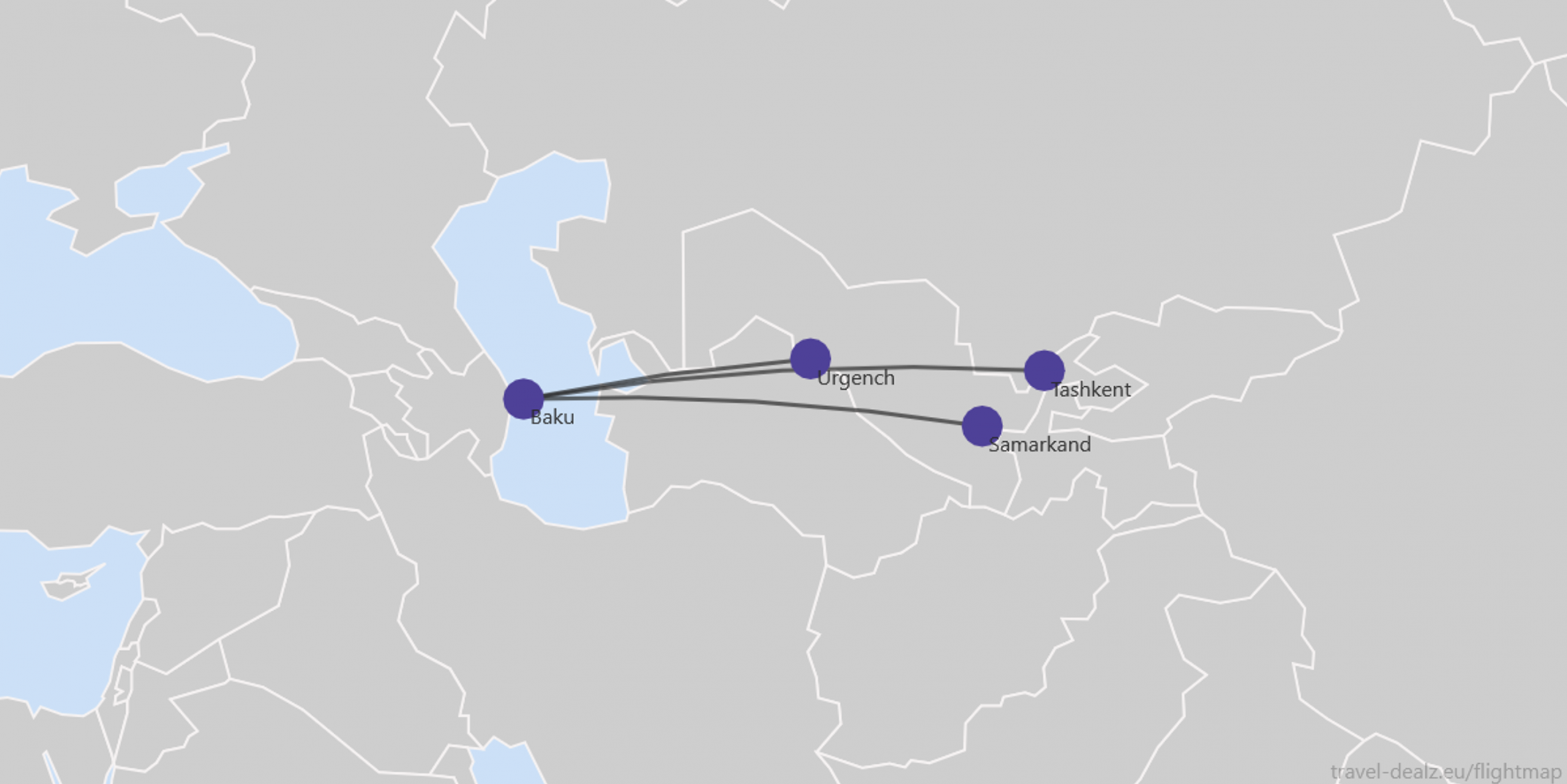
A hybrid model where travellers research via international platforms like Booking.com, Aviasales, and TripAdvisor, but often complete bookings through local agencies, airline websites (e.g. Uzbekistan Airways), and local platforms such as Fly Khiva and MyBooking.uz.
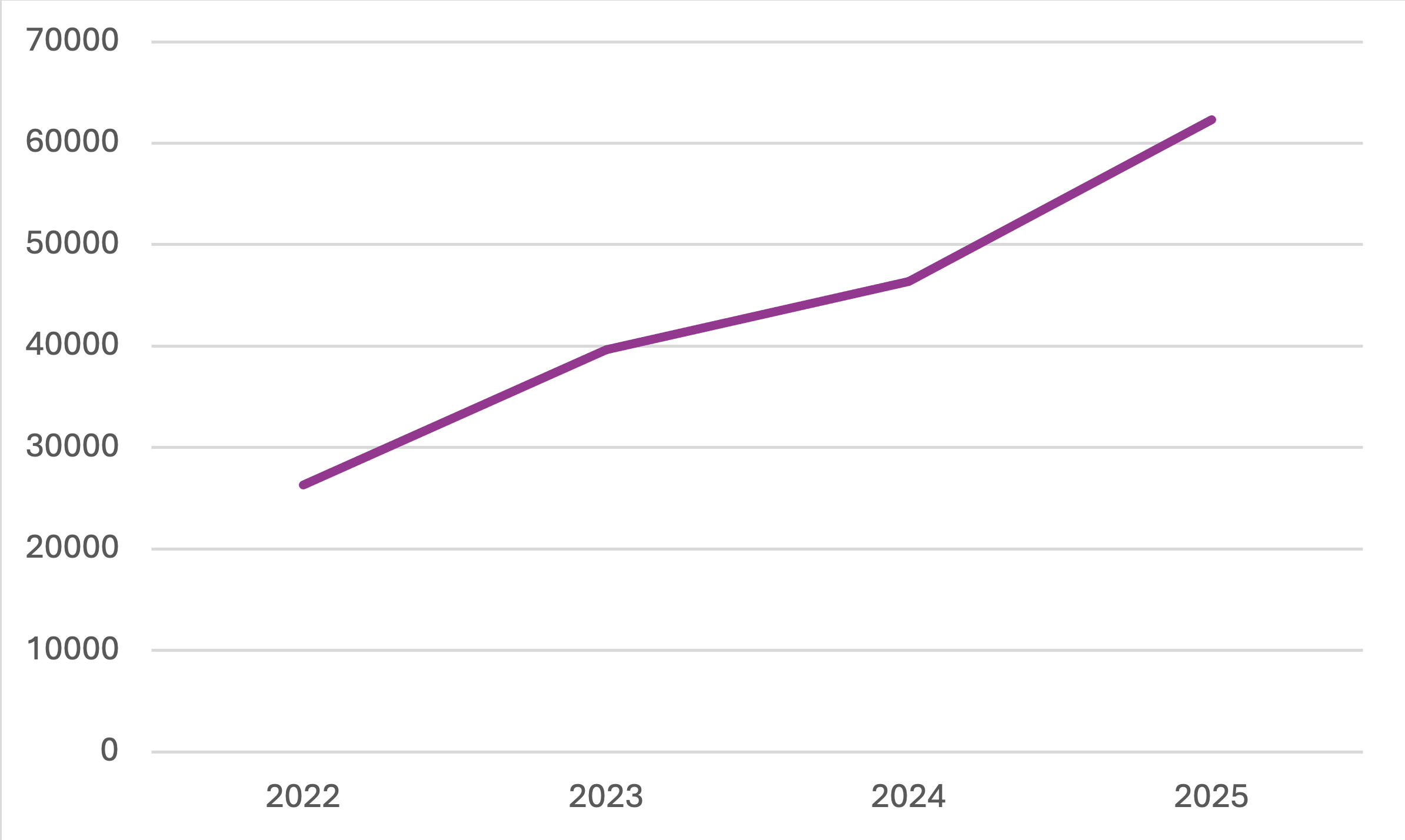
Arrivals show steady year-on-year growth, increasing from around 26,000 in 2022 to 39,000 in 2023 (+52%), then to 46,000 in 2024 (+17%), and reaching over 62,000 in 2025 (+35%), indicating a consistently growing and strengthening source market.
70% of Uzbekistani visitors to Azerbaijan travel for leisure and entertainment purposes and 8% for business purposes.
The average Uzbekistani tourist spends 1,732 AZN in Azerbaijan, with 47% of their budget allocated to transport, followed by accommodation (18%), and food (18%).
In 2025, 45% of Uzbekistanis stayed in Azerbaijan for 1-3 nights, while 31% stayed for 4-7 nights.
The most visited regions by Uzbekistani in Azerbaijan are Naftalan, Guba, Gusar, Gabala, and Ganja.
Uzbek tourists visiting Azerbaijan show a strong interest in a mix of cultural, urban, and leisure experiences, often combining historical sightseeing with gastronomy, shopping, and short regional trips. Their preferences reflect both cultural familiarity and a desire for diverse, well-rounded travel experiences.
Monuments & historical sites
Museums & cultural spaces
Shopping & gastronomy
Events
Medical & wellness tourism
Uzbek outbound tourism is expected to continue growing steadily, supported by rising incomes, improved air connectivity, and increasing travel demand. In 2025, outbound trips grew by around +22% year-on-year, reaching approximately 7.6 million, confirming strong market expansion.
Popular destinations remain Türkiye, the UAE, Saudi Arabia, Kazakhstan, and Russia, while interest is gradually expanding toward Caucasus countries (including Azerbaijan and Georgia), Southeast Asia (Thailand, Vietnam), and selected European destinations.
At the same time, there is a clear shift toward more diverse and experience-based travel, with increasing demand for short city breaks, nearby destinations, and higher-quality travel experiences.
Top tips for the Uzbekistan market
• Short city breaks and compact itineraries: Focus on promoting 3–4-day trips, especially from Tashkent and other major cities. Uzbek travellers prefer short, frequent trips, making Baku ideal for quick getaways combining leisure, shopping, and dining.
• Shopping, gastronomy and modern city positioning: Position Azerbaijan as a modern and vibrant destination with strong shopping opportunities and diverse culinary experiences. A mix of familiar and new flavours works particularly well for this market.
• Cooperation with key tour operators: Priorities partnerships with Tashkent-based tour operators, as most outbound travel is concentrated there. Strong relationships with leading agencies are essential for driving package sales and group travel.
• Family-oriented product development: Develop family-friendly packages that focus on comfort, convenience, and activities suitable for all age groups.
• Digital marketing through Telegram and influencers: Focus on Telegram and influencer marketing, as these are among the most effective channels in Uzbekistan. Bloggers and content creators strongly influence travel decisions.
• Positioning based on familiarity and accessibility: Highlight cultural similarity, ease of travel, and proximity, which make Azerbaijan an easy and attractive choice.
• Value for money with quality: Emphasize a strong price–quality balance, as travellers are price-conscious but increasingly expect higher standards and better experiences.