Republic of Singapore
country profile
April 2026
Singapore represents a key strategic outbound tourism market for Azerbaijan serving as a gateway to the Asia-Pacific market and a model for developing MICE and high-end tourism. Azerbaijan utilizes platforms like ITB Asia in Singapore to boost visibility, while implementing streamlined e-visas for Singaporeans to encourage travel, focusing on mutual exchange in sustainable, luxury tourism.
January 1 - New Year’s Day
January-February - Chinese New Year (dates vary each year)
May 1 - Labor Day
May 31 - Vesak Day
August 9 - National Day
December 25 - Christmas Day
Hari Raya Puasa - Date varies each year
Good Friday - Date varies each year
Hari Raya Haji (Eid al-Adha) - Date varies each year
Deepavali - Date varies each year
Singaporean tourists are predominantly aged 25–45, with a primary focus on 25–39-year-olds targeted by recent 2026 Singapore Tourism Board campaigns. This demographic values experiential travel, including culinary experiences (52%), adventure (49%), and exploring hidden, trendy gems. Other key groups include active seniors (60+) and families.
Singaporean tourists are independent, tech-savvy travellers, with nearly two-thirds organizing trips themselves, often 3–6 months in advance, prioritizing leisure, shopping, and culinary experiences. They are high-spending travellers, frequently visiting regional neighbors like Malaysia and Thailand, alongside destinations such as Indonesia, Japan, Australia and South Korea.
Beach & Island Escapes: Popular in Southeast Asia for relaxing, such as Bali, Phuket, or Krabi.
Cultural & City Sightseeing: Visiting metropolitan areas like Tokyo, Seoul, London, or European cities for history and culture.
Adventure & Nature Travel: Exploring destinations offering hiking, wildlife, or unique landscapes.
Food & Shopping Trips: Focusing heavily on culinary experiences and shopping, often in cities with high-value, niche items.
Shopping Tourism: Visits to traditional markets and high-end shopping districts
Value for Money: Prioritize destinations that offer good value for money with clear and transparent pricing. Relaxation and notably high spending on dining, shopping, and unique experiences
Safety and Security: Choose destinations with a high level of safety and political stability
Food Focus: Food is one of key factors, with most preferring authentic local cuisine over Western alternatives, and a strong preference for spicy food.
Convenience and Social Media Opportunities: Always searching for good connection services such as highly functioning Wi-Fi, easily accessible convenience stores, etc. Travellers prefer destinations that offer visually appealing locations, unique cafés, and aesthetically presented food suitable for social media sharing
Singaporean travellers are among the highest spenders on international vacations globally, with an average expenditure of approximately US$2,966 to US$3,382 per trip. Recent 2026 data indicates that for long-leisure trips of 7+ nights, this average rises to US$3,190, driven by high spending on dining and shopping.
Spending Categories: Top expenses include shopping (avg. US$432) and dining (avg. US$526).
Travel Intent: Over 80% of Singaporeans travelled overseas in 2025, with many planning to maintain or increase budgets for experiences.
Solo Travellers
Millennials and Gen Z
Families
Couples
Luxury Travellers
Social Media, Digital & Influencers: Travellers are influenced by visual content and recommendations on social media platforms (e.g., Instagram, TikTok, YouTube), which highlight trendy locations.
Entertainment-Led Travel: Over 47% of Singaporean travellers have booked, or are planning to book, a trip around a concert.
Word of Mouth: Family and friends are highly influential, noted by 67% of travellers.
Online Travel Agencies: Agoda, Booking.com, Traveloka, Klook, Trip.com, Expedia
Singaporean travellers are highly proactive planners, with 90% intending to travel in the coming year, often booking leisure trips 9 to 12 months in advance for better rates. While 43% are affected by rising costs, they prioritize rest, wellness, and cultural experiences, primarily within Asia (52%). Independent, tech-savvy planning is dominant, with a peak booking surge observed in January
Booking Lead Time: Leisure travellers book 9-12 months in advance, with up to 18 months for cruises.
Peak Planning Periods: A major spike in booking and research occurs in January (post-holiday) and during Chinese New Year.
Independent Research: About 62% of travellers plan their trips independently, utilizing online reviews and, increasingly, AI trip planners.
Budgeting & Value: Despite high spending, 43% of travellers are concerned about costs, leading to a focus on finding value, promotions, and flexible cancellation policies.
Online bookings
Travel Agencies
Online travel agencies (OTAs): Agoda, Booking.com, Traveloka, Klook, Trip.com, Expedia
Travel Agents: Chan Brothers Travel, EU Holidays, SA Tours, Dynasty Travel, WTS Travel, Asa Holidays, Nam Ho Travel.
Most visited travel and tourism websites: trip.com, agoda.com, klook.com, booking.com, skyscanner.com.sg, traveloka.com,
Singapore Airlines(singaporeair.com): A top-visited leading site for direct airline bookings.
Social Media & Content Creators: Instagram and YouTube are major influencers, shaping perceptions and driving decisions to visit specific destinations. Travellers are strongly influenced by destinations featured in influencer content and social media, which plays a key role in inspiring travel decisions.
Film & TV (Screen Tourism): Singaporean travellers, particularly millennials are heavily inspired to travel by popular movies or TV shows, with 36% booking trips based on them.
Word of Mouth & Recommendations: Recommendations from friends and family, alongside online reviews, are highly trusted, especially among older travellers.
Entertainment-Led Travel: Nearly 47% of Singaporean travellers have planned vacations around concerts, driven by millennials and Gen Z, for experiential travel and "gig-tripping". Key trends include choosing destinations for both the concert and local culture, booking accommodation close to venues, and despite high costs, valuing these experiences.
Singaporean tourists generally take short trips, with median durations of 3-5 days for nearby regional destinations like Malaysia, Indonesia, and Thailand. Longer trips to destinations like Australia or China average around 8-9 days. Leisure travel often consists of long weekends, with longer, two-week trips taken less frequently.
Chan Brothers Travel
EU Holidays
SA Tours
Dynasty Travel
ASA Holidays
Nam Ho Travel
There are currently no direct flights from Singapore Changi (SIN) to Baku (GYD), Azerbaijan. Travellers typically connect through hubs like Doha (Qatar Airways), Dubai (Emirates), or Istanbul (Turkish Airlines), with total travel times often exceeding 13 hours.
ITB Asia
ILTM Asia Pacific
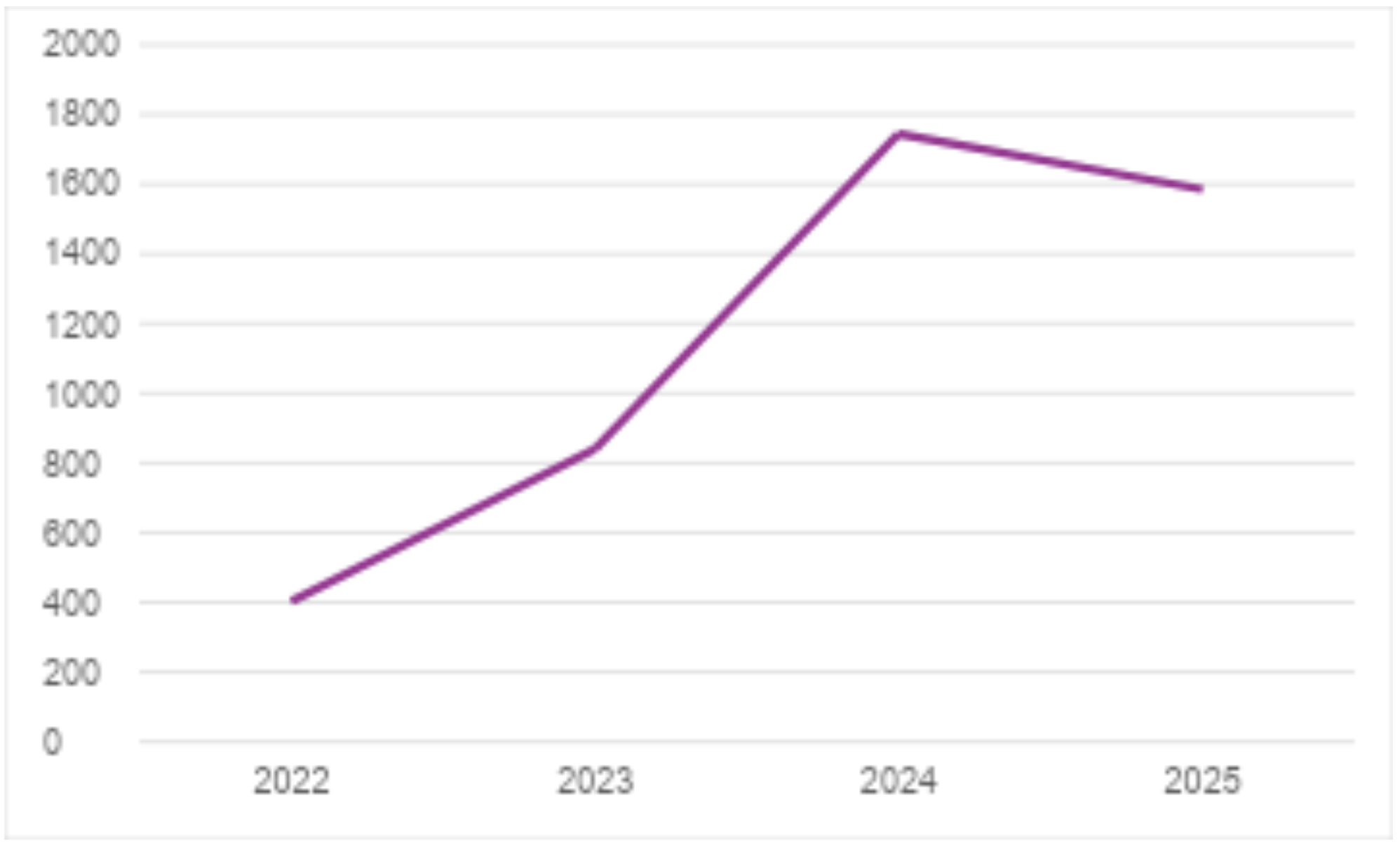
In 2025, the number of arrivals from Singapore reached 1,585 travellers, compared to 1,745 travellers in the previous year.
Cultural & Historic Sites: Visiting UNESCO World Heritage sites, such as the Maiden Tower and Shirvanshah Palace in Baku, and exploring historic towns like Shaki and Shamakhi.
Leisure & Activities: Shopping, entertainment centers, and urban lifestyle experiences.
Modern Cityscapes & Architecture: Admiring the contrast of modern, illuminated cityscapes with ancient, historic structures, particularly in Baku.
Gastronomy: Trying local cuisine.
Preference for organized tours that offer comfortable and occasionally luxury experiences, often featuring halal-friendly options
Singapore's outbound tourism in 2026 is projected to show robust growth driven by personalized travel, with 40% of Singaporeans expected to travel internationally. While rising travel costs impact 43% of travellers' plans, they are focusing on curated experiences (e.g., destination hotels).
English is the primary language used in Singapore for business and daily communication, spoken at home by 48.3% of residents as of 2020. Singapore has four official languages: English, Mandarin (and other Chinese dialects), Malay, and Tamil.
WhatsApp is the preferred platform for initial and follow-up communications. Face-to-face meetings are important when it comes to building stronger relationships.